If you are paying between $10.00 and $15.00 per square foot for installed siding, you are firmly in the fiber cement market. The crucial distinction you need to make before signing a contract is that “Hardie Board” is a brand name, not a material class.
This guide breaks down the real differences between generic fiber cement and the James Hardie product line across composition, profiles, warranty, and price. We will look at what your crew will actually handle on the wall and what the quote line items should look like.
The Core Difference: A Brand, Not a Different Material
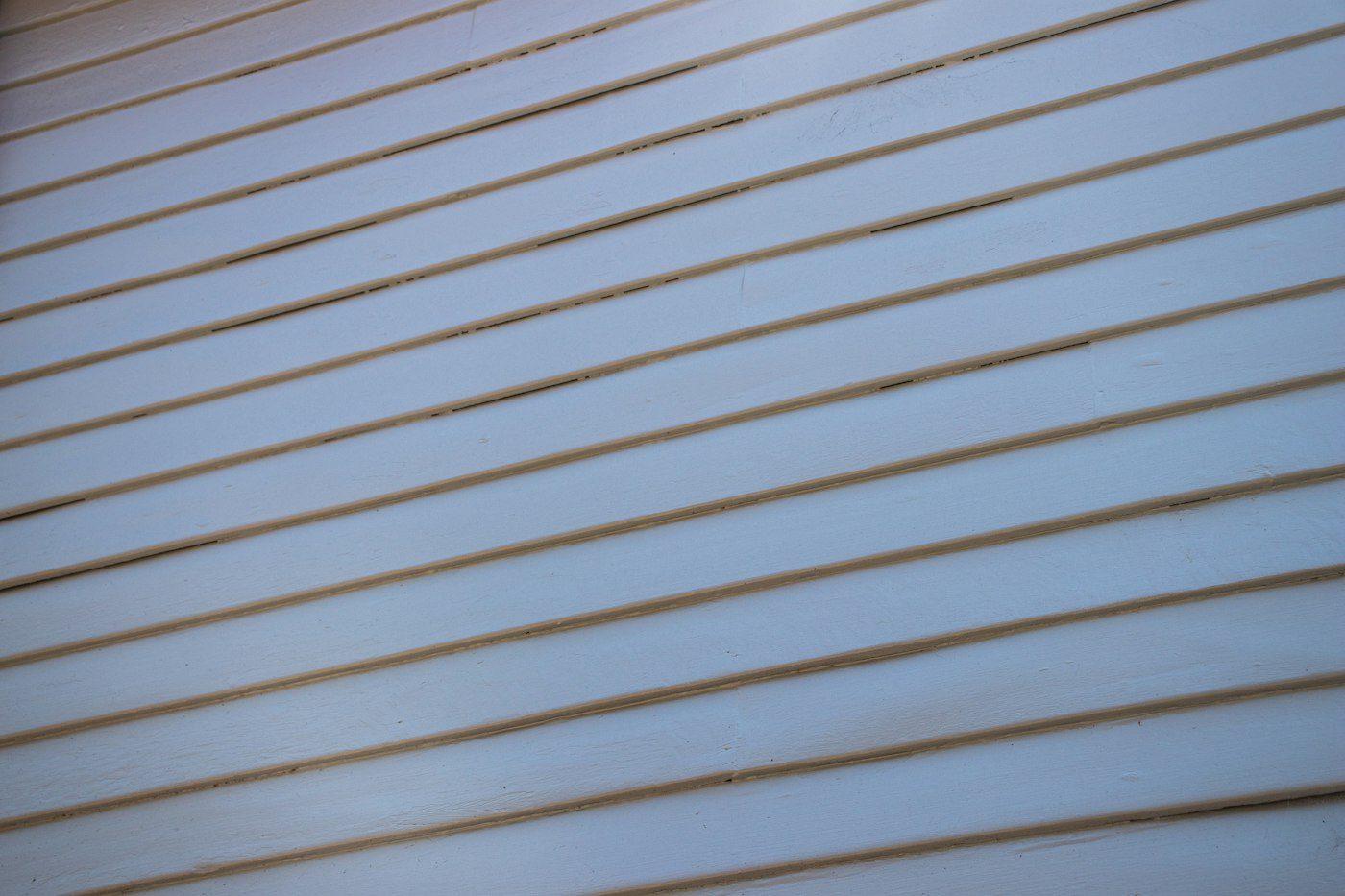
Fiber cement is a composite material made from Portland cement, sand, and cellulose fibers. James Hardie is the largest manufacturer of this product in North America. Because they own a massive share of the market, their trademarked name, Hardie Board, has become the generic shorthand for the entire category—similar to how we call all tissues Kleenex or all drywall Sheetrock.
When a contractor says “Hardie Board,” they often mean “fiber cement.” However, when they write the quote, the line item may say “HardiePlank” (the branded product), “CertainTeed WeatherBoards,” or “generic 5/16″ lap siding.” That distinction dictates the price and the warranty.
What Drives the Cost of Fiber Cement
Material cost is only about 30-40% of a siding job. The bulk of your budget goes to labor, trim work, and access (scaffolding or lifts). Fiber cement is heavy, creates silica dust, and requires specific blades for cutting. Whether you install a generic brand or a premium brand, the labor effort is nearly identical.
Here is how the numbers typically shake out for a standard 1,500-square-foot exterior wall area in the 2025-2026 US market.
| Line Item (Per Sq Ft) | Generic Fiber Cement | James Hardie (HardiePlank) |
|---|---|---|
| Siding Material | $1.20 – $1.80 | $2.00 – $2.80 |
| Labor & Installation | $4.50 – $6.00 | $5.00 – $6.50 |
| Trim, Flashing, & Misc. | $1.00 – $1.50 | $1.50 – $2.50 |
| Paint (Field Applied) | $1.50 – $2.50 | $0.00* (Factory finish) |
| Estimated Total Installed | $8.20 – $11.80 | $8.50 – $11.80 |
*Estimate based on pre-finished HardiePlank ColorPlus product.
Next step
Get three written quotes before you commit
Siding prices swing 30-40% between contractors for the same scope. Request itemized quotes on the same wall area, trim package and disposal, then compare line by line.
Composition and Factory Engineering
All fiber cement starts with the same base: sand, cement, and cellulose. The difference lies in the additives and the curing process. James Hardie uses a proprietary blend and an autoclave curing process that yields a very dense, consistent board.
The most significant real-world difference is HardieZone. James Hardie engineers specific boards for HZ5 (freeze/thaw climates) and HZ10 (hot, humid, or coastal climates). A generic board is usually a one-size-fits-all product. If you are in the upper Midwest or on the Gulf Coast, specific climate engineering matters. If you are in a mild climate, it matters much less.
Profiles, Thickness, and Actual Availability
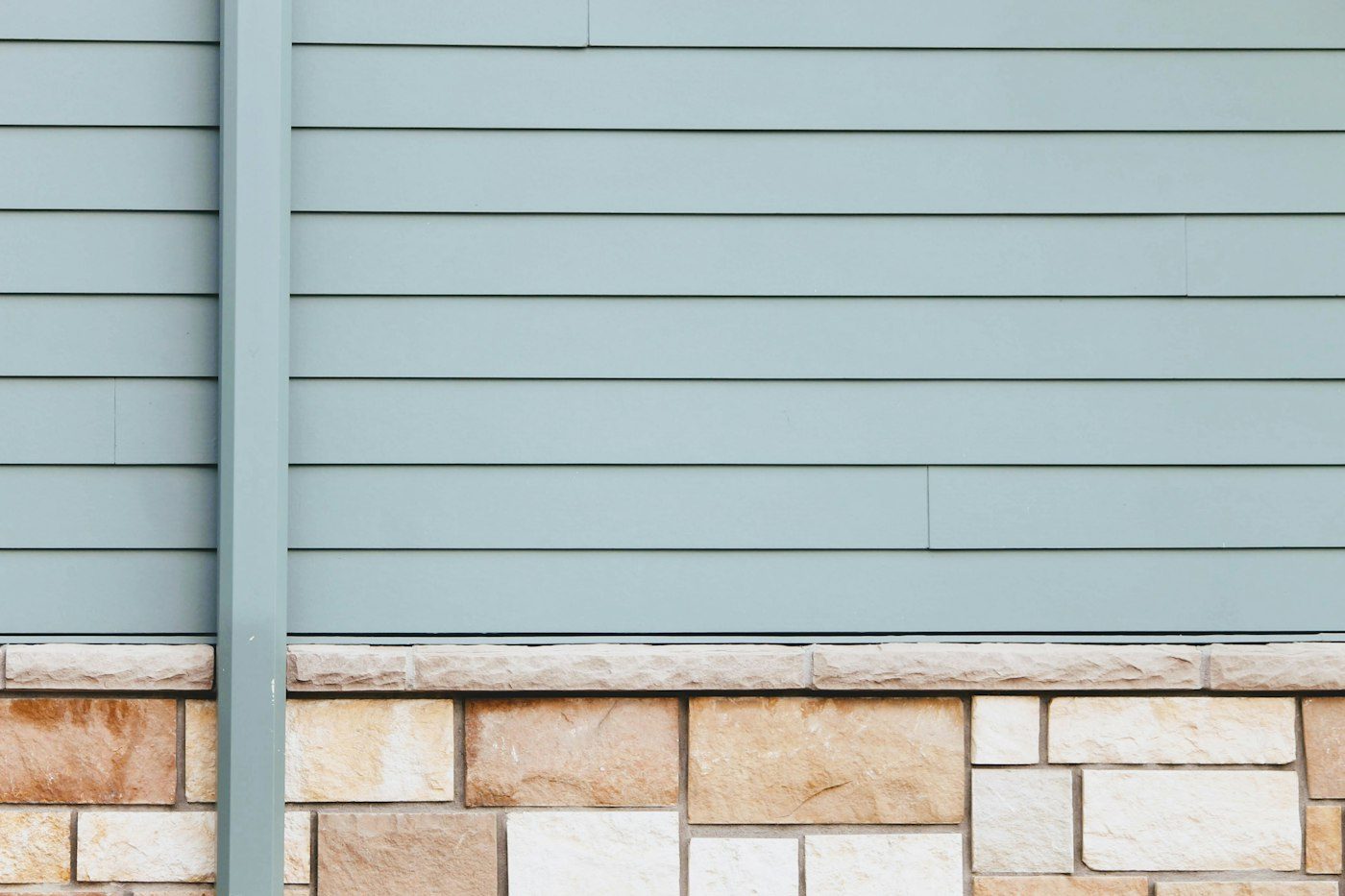
The Hardie line covers the standard scope of work. HardiePlank is lap siding (standard is 5/16″ thick). HardiePanel is vertical siding. HardieShingle replicates cedar shakes. HardieSoffit is for eaves. HardieTrim is a thick 7/16″ board used for corners and window surrounds.
Generic fiber cement manufacturers usually stick to lap siding and panel. If you want a full restoration profile—shingles, trim, soffit—you might find the generic brand doesn’t offer a matching ecosystem. In that case, you end up mixing brands, which leads to color mismatches and irregular trim thicknesses.
Warranty and the Fine Print
Warranties are where generic brands often compete. However, the claim process is what matters to a homeowner. A warranty is only as good as the manufacturer’s willingness to stand behind it and the financial health of the company in 15 years.
| Feature | Generic Fiber Cement | James Hardie |
|---|---|---|
| Base Product Warranty | 15–30 years (often prorated) | 30 years (non-prorated) |
| Paint Finish Warranty | Varies (often 10–15 years, paint-specific) | 15 years (ColorPlus Technology) |
| Transferability | Sometimes transferable | Transferable |
| Climate Engineering | Rarely specified | HardieZone HZ5/HZ10 |
What the Crew Sees on the Wall
On the scaffolding, a generic board and a Hardie board feel very similar. Both require a rainscreen or at least a tight weather-resistant barrier behind them. Both require blind nailing (nailing where the next course will hide the nail head) or face nailing with specific gauges.
The key difference for the installer is tolerances. James Hardie boards are exceptionally consistent in width and thickness. Generic boards can sometimes have a 1/16″ variation in width, which doesn’t sound like much until your reveal (the visible part of the board) starts to wander on a 30-foot wall.
Dust is the same health concern for both. Expect the crew to use carbide-tipped blades and dust collection. If a contractor bids cheap labor, they might be using standard blades, which produce jagged cuts and require heavy caulking to hide.
Painting and the Factory Finish Math
Generic fiber cement is usually sold unprimed or primed only. Your contractor will often include “field painting” in the quote. This means you own the paint job from day one.
James Hardie offers ColorPlus, a factory-applied, baked-on finish. It is sprayed and cured in a controlled environment, something you cannot reliably replicate on site. The premium is real—often $1 to $2 more per square foot—but it removes the variability of a field crew painting in imperfect weather.
The Verdict: When to Pay for the Name
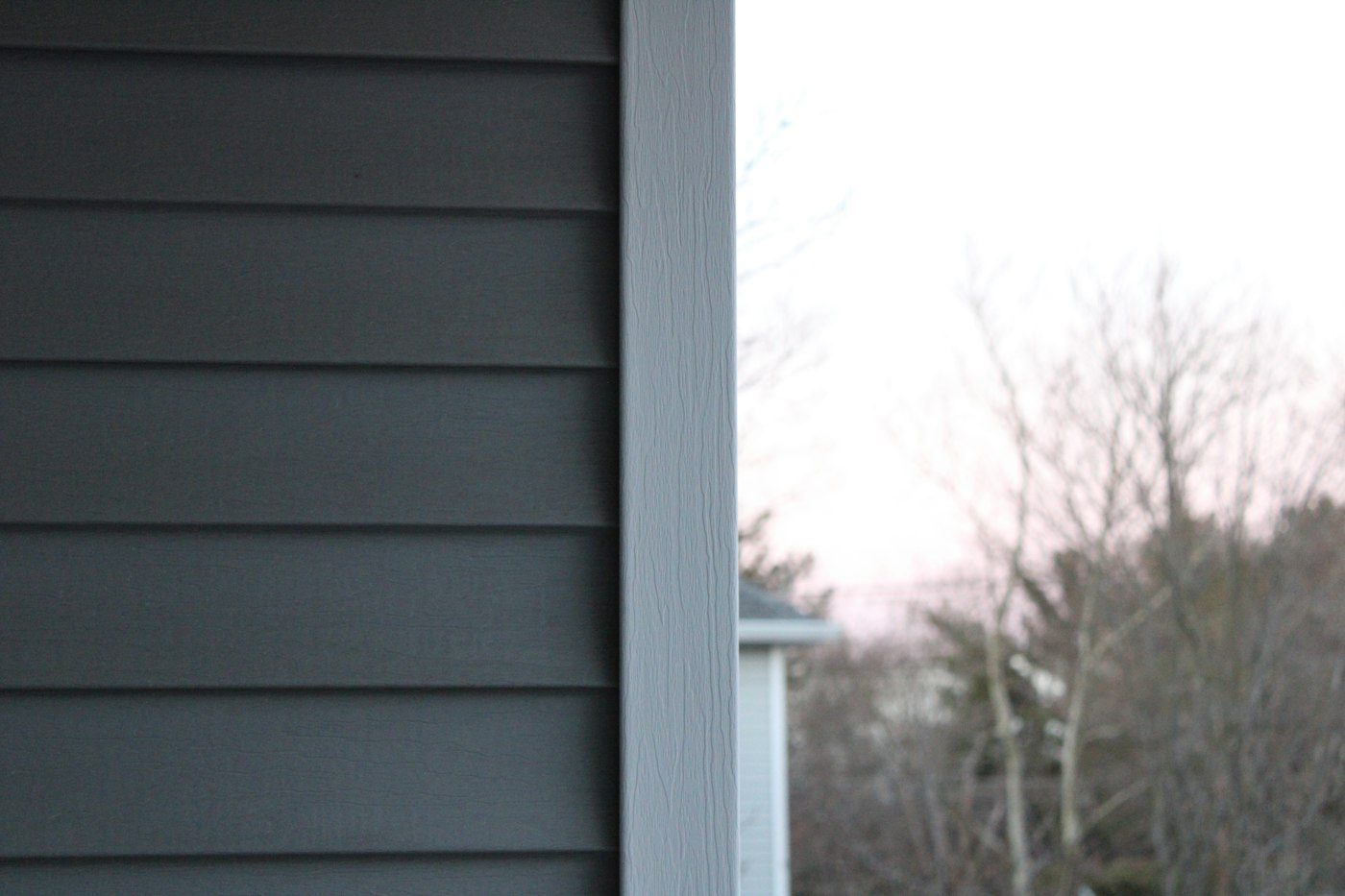
Buy generic fiber cement if you are on a strict budget and you trust your installer’s craftsmanship. The raw material is fundamentally the same. If the boards are installed correctly with proper flashing, a 15 to 20-year performance window is very achievable. You will save on materials and can put that money toward better labor or high-quality paint.
Buy James Hardie if you want the warranty enforcement, the factory-finished color consistency, and the assurance of specific climate engineering. Hardie is also the safer choice if you are trying to match an existing detail, like a specific trim reveal or a shingle profile, because their system is more comprehensive.
How We Estimated These Figures
These ranges reflect 2025-2026 planning estimates for mid-sized U.S. metro areas. “Material per square foot” reflects contractor wholesale pricing plus standard markup. “Installed total” accounts for a 1,500 square foot wall area, including basic trim, standard access (ladders/pump jacks), and local dump fees.
The labor rates assume a licensed and insured siding crew, not a handyman. High-end architecture, complex scaffolding, rotten sheathing replacement, or premium paint will push these numbers to the upper range or above it.
What This Guide Does Not Cover
We are not covering DIY installation. Fiber cement is heavy and the dust contains silica; it is not a casual weekend project. We are also excluding structural repairs, insulation upgrades, or whole-house vapor barrier redesigns, which are separate line items on a proper quote.
Finally, this guide does not cover commercial siding systems or architectural panel systems, which are priced and engineered differently than residential lap and vertical siding.
FAQ
Is Hardie Board just a brand of fiber cement?
Yes. James Hardie is the manufacturer, and Hardie Board is their branded product. The industry term for the material is fiber cement. Other major manufacturers include CertainTeed (WeatherBoards) and Allura. When a contractor says “Hardie,” they are often using it as a generic term for the material class, so clarify the exact product line on the quote.
Is Hardie board worth the extra cost over generic fiber cement?
It depends on your priorities. You pay more for the Hardie name for tighter manufacturing tolerances, a non-prorated 30-year product warranty, and the ColorPlus factory finish system. If you are planning to paint the house yourself or are working with a highly skilled installer on a simple home, a generic board will perform nearly identically for less material cost.
Can I buy generic fiber cement pre-painted?
Historically, generic brands mostly sold primed boards that required field painting. However, several generic manufacturers have moved into factory-finished painted products to compete with Hardie’s ColorPlus. Availability and color selection are much spottier than Hardie, so verify with your local lumberyard before writing the specification.
What is HardieZone?
HardieZone is James Hardie’s product matrix for climate. HZ5 boards are engineered for freezing temperatures and wet, snowy conditions. HZ10 boards are engineered for high heat, humidity, and salt spray. Most generic fiber cement brands do not differentiate their board composition by climate, which can matter in extreme environments.
Does generic fiber cement have a transferable warranty?
Sometimes. Warranty terms for generic brands vary significantly. Some offer non-prorated coverage, while others prorate the payout based on years of service. Some are fully transferable to a new owner; others require registration. Always read the specific warranty document before purchase, as installation errors often void these warranties entirely.
Next step
Get three written quotes before you commit
Siding prices swing 30-40% between contractors for the same scope. Request itemized quotes on the same wall area, trim package and disposal, then compare line by line.
Disclaimer: Cost ranges provided are estimates for planning purposes based on 2025-2026 US contractor pricing averages. Actual quotes will vary based on your region, wall complexity, current lumber market conditions, and the specific labor market. Always obtain written estimates from licensed local contractors.