The number most homeowners want first: on a mid-price U.S. house, the resale difference between well-kept vinyl siding and painted fiber cement usually runs $5,000 to $15,000 — and on many appraisals, the adjustment is exactly zero.
That range reflects what I see in resale listings, buyer feedback, and appraisal grids: material and labor cost, neighborhood expectations, and the condition of the siding at the sale date. What it does not include is the cost of owning the product between install and closing. That is where vinyl and fiber cement separate most.
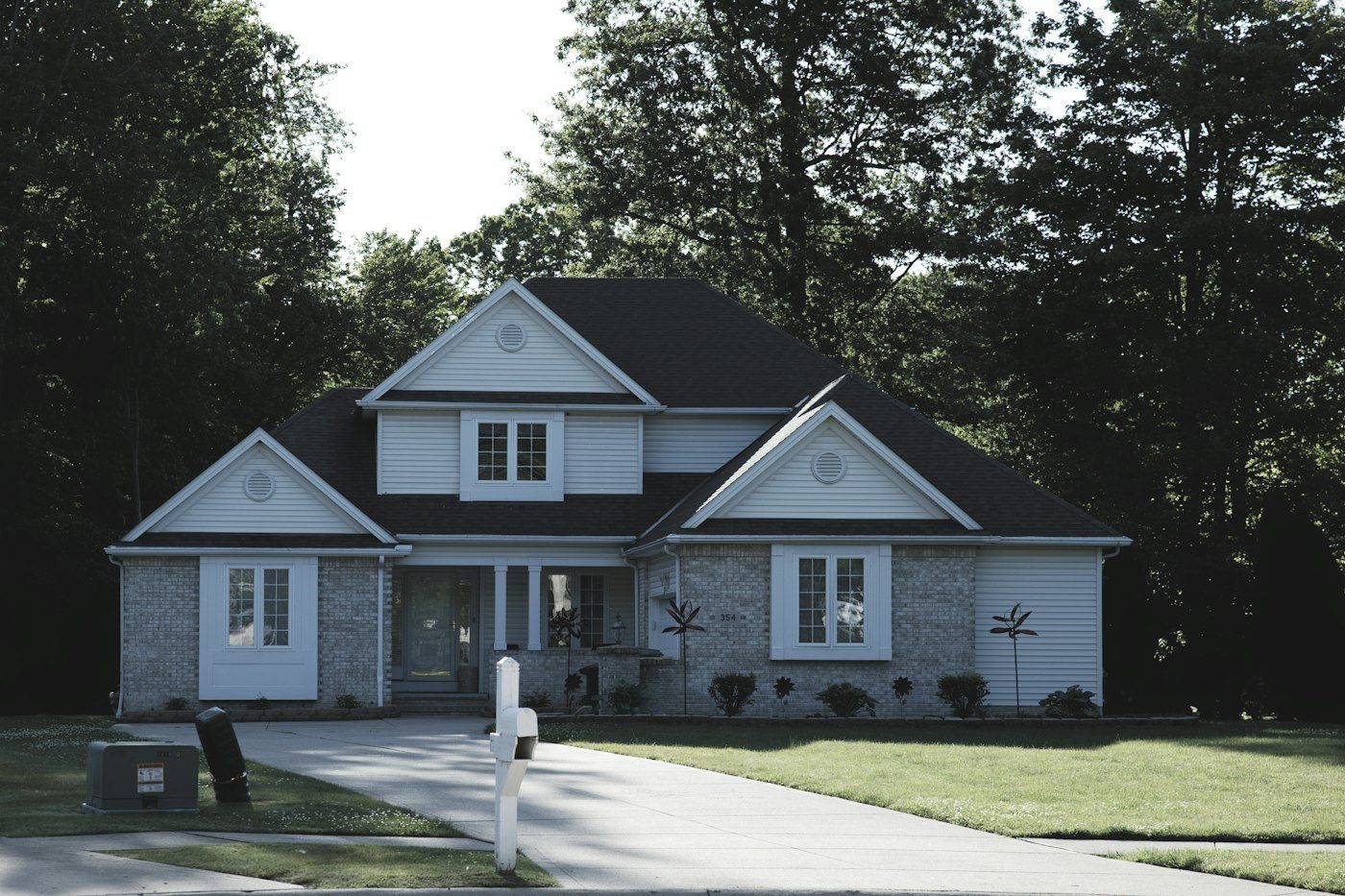
What appraisers actually measure
Appraisers do not assign value by siding brand. They use the sales comparison approach: they adjust the subject property against recent closed sales of similar size, age, location, and condition. Siding shows up inside the “condition” and “quality of construction” lines on the grid, not as a separate line item named vinyl or fiber cement.
When a comparable sale has fiber cement and the subject has mid-grade vinyl, an appraiser may make no adjustment at all if both present as clean, intact, and appropriate for the market. When there is an adjustment, it is usually small — a few thousand dollars, not tens of thousands. The exception is a house where siding condition changes the effective age. Cracked vinyl, chalky color, or loose J-channel pushes the subject toward “average” or “below average” condition, which reads as a larger deduction.
A good appraiser photographs all four elevations and looks at the bottom course, corner boards, and joints. Those photographs tell the story: straight rows, intact trim, and a clean face support the listing price. Waviness, open joints, or fading undercut it, regardless of material.
How buyers read vinyl
Buyers in entry-level and mid-price suburbs tend to read vinyl as low-maintenance and acceptable. They like that it will not need painting in five years. What turns them off is not the material label; it is visible wear. Chalky film, wavy rows, oil-canning on wide runs, and impact cracks from hail or lawn mowers signal neglect. Dark vinyl colors that have faded unevenly also read as dated.
A three-person crew can hang 8 to 10 squares of vinyl per day, which keeps labor lower than fiber cement. But vinyl is unforgiving in two places: J-channel that pulls away at corners, and reflected heat from low-E windows that warps panels. Buyers who spot those will factor repair work into the offer even when the rest of the house is clean.
In upper-mid and luxury markets, vinyl often reads as a cost-cutting choice. Buyers there expect fiber cement, stucco, brick, or wood. A vinyl-sided house in that bracket may sit longer or sell slightly below comparable homes with the expected material — not because vinyl is defective, but because it misses the market norm.
How buyers read fiber cement
Fiber cement reads as a premium, wood-like cladding. Buyers in $450,000-and-up neighborhoods often expect it, and a house with clean, recently painted fiber cement will show better than one with tired vinyl. The perceived benefit is depth of shadow lines, paintability, and resistance to rot and insects. Installers blind-nail the lap courses and leave a 1/8-inch expansion gap at butt joints, then caulk. That detail is part of what makes it look crisp at year three.
The liability is paint and caulk. At a showing, buyers do not see the fiber cement itself; they see the finish. Peeling paint at butt joints, failed caulk, and visible nail heads read as deferred maintenance. In a lower-price market, buyers rarely pay extra for fiber cement over clean vinyl; the premium compresses to near zero.
Up-front cost comparison
The installed premium for fiber cement is real. These are 2025-2026 U.S. planning ranges for a typical 2,200-square-foot wall area, mid-grade product, including tear-off, disposal, house wrap, trim, flashing, and paint where noted. Treat them as budgeting figures, not bids. A written quote should separate material, labor, tear-off, disposal, house wrap, trim, and paint. If it does not, ask for a line-item breakdown.
| Line item | Vinyl (mid-grade) | Fiber cement (primed + painted) |
|---|---|---|
| Material, per sq ft | $1.75–$3.50 | $4.00–$6.00 board plus paint package |
| Installed, per sq ft | $5.50–$9.00 | $10.00–$15.50 |
| Tear-off and disposal | Included above | Included above |
| House wrap and flashing | Included above | Included above |
| Typical 2,200 sq ft total | $12,100–$19,800 | $22,000–$34,100 |
| Crew pace | 8–10 squares per day | 5–7 squares per day plus paint days |
Next step
Get three written quotes before you commit
Siding prices swing 30-40% between contractors for the same scope. Request itemized quotes on the same wall area, trim package and disposal, then compare line by line.
Twenty-year ownership cost
The install price is the smallest part of the comparison. Over twenty years, vinyl costs less to own in almost every market because there is no repaint cycle. Fiber cement looks better at year fifteen only if someone paid for repaints at years eight and fifteen. If the seller skipped those repaints, the house shows peeling paint at exactly the moment it matters most.
| Cost item | Vinyl | Fiber cement |
|---|---|---|
| Initial install, 2,200 sq ft | $12,100–$19,800 | $22,000–$34,100 |
| Washing or repaint over 20 years | $1,000–$2,000 (wash only) | $12,000–$18,000 (two repaint cycles) |
| Repair allowance, caulk and minor damage | $500–$1,500 | $1,000–$2,000 |
| 20-year planning range | $13,600–$23,300 | $35,000–$54,100 |
These totals assume the siding is installed correctly the first time. Vinyl failure usually comes from short cuts: missing house wrap, untaped seams, or J-channel nailed tight. Fiber cement failure usually comes from clearance and caulk: bottom course set too close to grade, wicking water, and butt joints opening when caulk hardens. The expensive repairs are not the material; they are the water damage behind it.
What actually shows up at resale
At the listing appointment, the agent notes the siding material and condition on the MLS sheet. At the appraisal, the appraiser photographs all four elevations. At the buyer walkthrough, the buyer looks at corners, joints, and the bottom course. These three moments decide what the siding contributes to the sale price.
For vinyl, the resale payoff is clean presentation at zero repaint cost. A seller who pressure-washes the walls, snaps one cracked panel back into place, and replaces a chalky corner post usually recovers the full visual value without spending much. For fiber cement, the resale payoff is market expectations and a fresh paint coat before listing. Sellers who list fiber cement with faded, peeling paint lose the premium they paid for the material.
The pattern I see in resale listings is consistent: a $12,000 vinyl job on a $380,000 house does not hold the house back in a mid-price market. The same vinyl on a $700,000 house can. Material choice matters most when it matches or misses what the surrounding closed sales already have.

Verdict
If you are selling within five years and live in a mid-price market, mid-grade vinyl rarely costs you a meaningful resale penalty, and the upfront savings stay in your pocket. If you are in an upper-mid or luxury neighborhood where fiber cement is the norm, install fiber cement because the market expects it — not because an appraiser will credit you the full cost.
The honest financial picture: fiber cement costs roughly $10,000 to $15,000 more up front and $6,000 to $9,000 per repaint. The resale premium it earns is usually smaller than the ownership gap. Buy fiber cement for appearance, neighborhood fit, and durability when properly repainted on schedule. Buy vinyl for the lowest total cost and lowest maintenance over a 15- to 20-year holding period.
How we estimated these figures
The dollar ranges come from 2025-2026 U.S. planning figures for mid-grade materials, common trim packages, and local labor for a three-person siding crew. I based wall areas on a 2,200-square-foot siding surface, a typical single-family house with 2,400 to 2,800 square feet of living space. Repaint figures assume prep, caulk, primer on bare spots, and two finish coats. All numbers are estimates; local labor rates, wall complexity, scaffold needs, and access change them.
I did not use a percentage-based cost-recovery model. Return-on-investment percentages for siding are unreliable because they depend on sale price, market segment, and condition at listing. The ranges here are built from quote-level unit pricing and observed resale adjustments, which is how a contractor or appraiser would actually build the number.
What this guide does not cover
This guide does not cover insulated vinyl thermal performance data, specific warranty terms, insurance discounts, energy modeling, or the resale effect of mixed materials such as stone-and-vinyl combinations. It also does not cover new-construction cost differences, which are lower than re-side costs because there is no tear-off or disposal line. Engineered wood, steel, and stucco claddings are outside the scope.
Next step
Get three written quotes before you commit
Siding prices swing 30-40% between contractors for the same scope. Request itemized quotes on the same wall area, trim package and disposal, then compare line by line.
FAQ
Does fiber cement automatically add more resale value than vinyl?
No. It can, but it depends on neighborhood expectations and condition. In upper-mid and luxury markets, vinyl often reads as a downgrade, so fiber cement helps a listing sell near asking. In entry-level and mid markets, buyers rarely pay a measurable premium if the vinyl is clean. The resale difference is typically $5,000 to $15,000, and often zero on an appraisal.
Will an appraiser give a higher value for fiber cement?
Not always. Appraisers adjust for condition, effective age, and construction quality, not siding brand. If two comparable homes are in similar condition, the adjustment for fiber cement over vinyl may be a few thousand dollars or nothing at all. The bigger appraisal risk is visible damage or deferred maintenance, which lowers value regardless of the material.
How much does repainting fiber cement cost?
Budget $6,000 to $9,000 for a 2,200-square-foot wall area on a single-story house, including power washing, scraping, caulk at butt joints, priming bare spots, and two finish coats. Two-story or complex homes run higher. Expect the weather side to need repaint every 7 to 10 years in sun-heavy climates.
Is vinyl siding a turn-off for buyers?
It can be in higher-price neighborhoods where fiber cement or wood is the norm. Buyers there may skip a listing or discount it. In most mid-price suburbs, clean vinyl with straight rows and intact trim is accepted without penalty. The real turn-off is usually condition: chalky, faded, warped, or cracked vinyl signals deferred maintenance.
Which material lasts longer in harsh climates?
Both can last 30 to 40 years if installed correctly, but failure modes differ. Vinyl is prone to hail cracks and wind lifting; fiber cement is prone to paint and caulk failure at joints. In coastal and heavy-rain areas, fiber cement holds up structurally if flashed right, but it needs repainting more often than vinyl needs washing.
Disclaimer: These cost ranges are planning estimates for 2025-2026 and will vary by region, wall condition, crew rates, and material grade. This article is for general guidance only and is not an appraisal, listing valuation, or substitute for a contractor walk-through or a licensed appraiser’s report.