Fiber cement siding replacement is priced as a system, not by the board. The final invoice includes tear-off, disposal, new trim, flashing, housewrap repair, labor, and paint. In 2025–2026, a full-house replacement on a typical single-family home in the US usually falls between $18,000 and $45,000 installed. Smaller jobs cost less; complicated jobs cost more.
The material itself is rarely the problem. Fiber cement boards run $1.50 to $3.50 per square foot depending on width, profile, and finish, but labor and access often make up 55–70% of the bid. That is why two houses with similar wall area can quote $14,000 and $26,000 for the same visible scope.
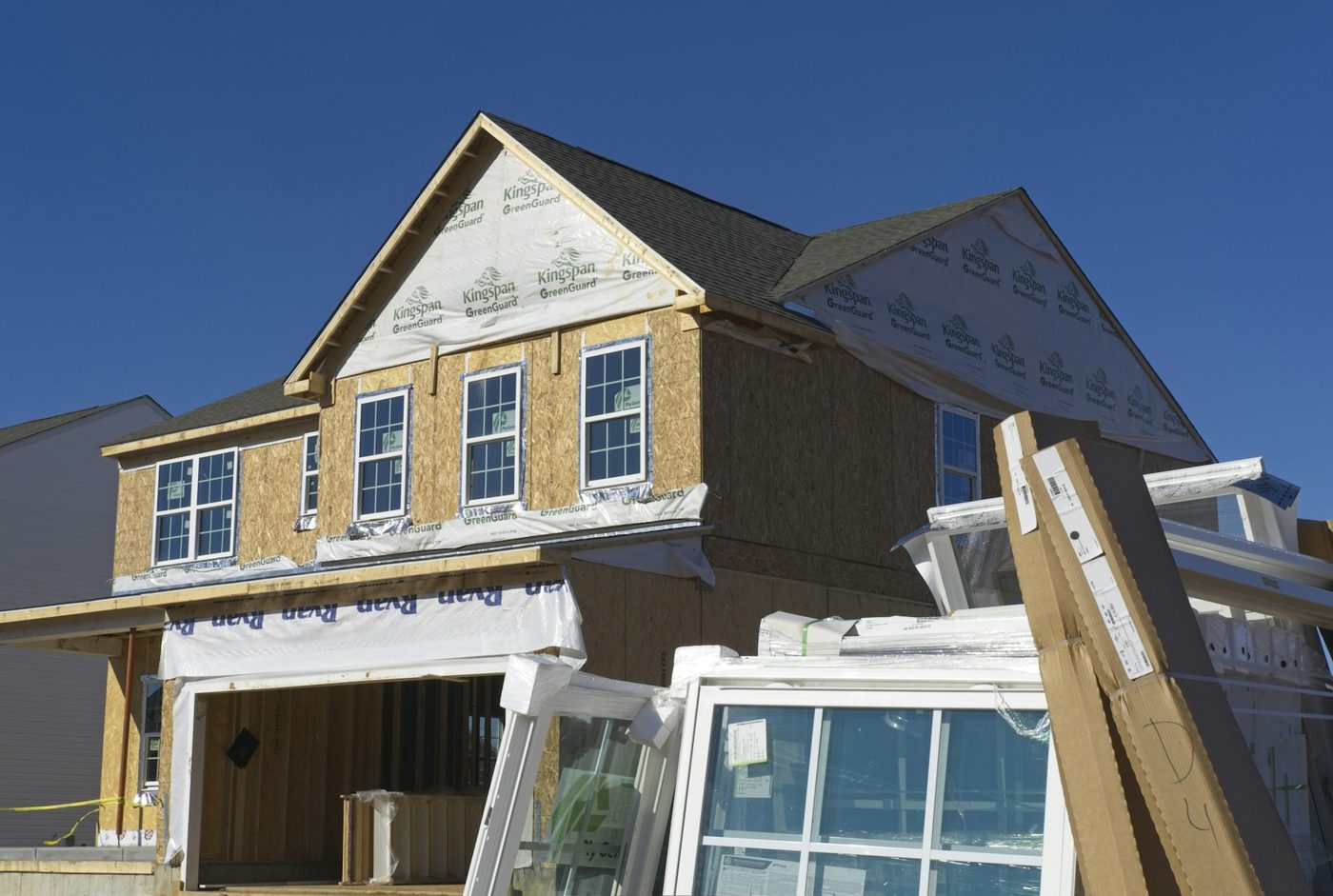
Repair vs. partial replacement vs. full replacement
The right scope depends on whether the cladding is failing in isolated spots or systematically. A repair changes individual boards. A partial replacement changes a defined section, usually one elevation or one wall plane. A full replacement removes all siding and trim, exposes the sheathing, and starts over. Most homeowners move from repair to full replacement only when rot is widespread or when the existing siding is no longer available.
For fiber cement, the biggest issue with repair and partial replacement is color match. Even factory-painted siding weathers. A new board from the same color code can look brighter or flatter than the surrounding wall. An estimator will tell you the board matches on paper, but the wall may show a patch. That is a cosmetic risk, not a structural one.
| Scope | Typical area | Best for | What you give up |
|---|---|---|---|
| Repair | 1–15 boards | Isolated cracks, nail pops, impact damage | Visible color match; new boards stand out |
| Partial replacement | One elevation or 50–400 sq ft | Sun-damaged side, localized rot, storm damage | Uniformity; wall lines may not match |
| Full replacement | Entire cladding | Widespread rot, multiple elevations, new paint schedule | Time and budget; full disruption |
Replacement cost by scope
The table below shows planning ranges for standard primed and painted fiber cement lap siding. These are installed estimates for 2025–2026, including standard trim, basic flashing, and normal disposal. They assume the existing sheathing is intact and the house has typical single-story or two-story access. They do not include major rot repair, custom trim packages, or high-lift access.
| Scope | Remove existing and dispose | Install over existing |
|---|---|---|
| One elevation (300–600 sq ft) | $3,500–$8,500 | $2,500–$6,500 |
| Two elevations (700–1,200 sq ft) | $7,000–$14,500 | $5,500–$10,000 |
| Full house (1,200–2,500 sq ft) | $16,000–$42,000 | $12,000–$30,000 |
Next step
Get three written quotes before you commit
Siding prices swing 30-40% between contractors for the same scope. Request itemised quotes on the same wall area, trim package and disposal, then compare line by line.

Installing over existing siding can be cheaper on the front end, but it hides problems. It also changes wall thickness around windows and doors. A good crew will still pull trim, inspect for soft spots, and flash the new layer correctly. If the old siding is layered or failing, removal is the only way to see the sheathing and seal the wall properly.
What drives the number
Material is the easy part. The line items that move a bid are access, height, rot, trim, and color matching.
Access and height: A one-story rancher with 8-foot walls can be worked from pump jacks or ladders. A two-story with a steep back slope, a deck in the way, or a zero-lot-line wall needs scaffold or a lift. That adds rental time, setup labor, and slower production.
Rot: Fiber cement does not rot, but the sheathing behind it can. When boards come off, the crew may find wet OSB, rotted window sills, or failed flashing. If the quote includes a small allowance, the change order will grow. If the quote excludes rot repair, you will have an open cost line.
Trim and penetrations: Every window, door, corner, and pipe penetration requires flashing and trim. A house with 35 windows is not the same as a house with 12, even if the wall area is identical. Replacement quotes should list the trim package, not just siding square feet.
Color matching: Factory-painted fiber cement is consistent at the start. Field painting or custom color matching to an existing wall is a separate cost. If you are replacing one elevation to match the rest of the house, expect the estimator to price for a custom color match or full repaint of the visible plane.
| Driver | What shows up in the quote | Typical cost effect |
|---|---|---|
| Access and height | Scaffold, pump jacks, lift rental | Adds $800–$4,000 |
| Rot or sheathing repair | OSB/plywood replacement, framing | $45–$110 per 4×8 sheet installed; can add $1,200–$5,000+ |
| Trim, blocking, and penetrations | Replacement trim boards, flashing | Adds $1,500–$6,000 on a full house |
| Color match and painting | Custom color match, field paint | Custom match adds $400–$1,800 |

Insurance claims for storm and hail damage
Fiber cement siding is marketed as impact- and weather-resistant, but it can still crack from hail, wind-blown debris, or falling limbs. Insurance covers sudden, direct, accidental physical damage. It does not cover deferred maintenance, long-term moisture damage, or chalked paint from aging.
What is covered: A carrier will typically pay to replace damaged siding with material of like kind and quality. If only a few boards are cracked, the claim may cover scaffolding, material, labor, paint, and disposal. If the damage is widespread, the adjuster may approve a full elevation or full-house replacement.
Deductible and excess: You pay the policy deductible, sometimes called the excess, before the carrier pays. On a $14,000 siding claim with a $2,500 deductible, the first check is $11,500 minus any depreciation held back.
Depreciation: On a replacement cost policy, the carrier often pays actual cash value first. If the siding is 10 years old, the insurer may withhold a percentage as depreciation. Once the work is complete and you submit the final invoice, the carrier releases the recoverable depreciation. On an actual cash value policy, you do not get that second check.
Matching: This is the hardest part. If only one section is damaged, the new siding may not match the aged, faded surrounding boards. Some states and policies require line-of-sight matching. If the adjuster approves only a repair, ask about matching coverage before signing. In some cases, the carrier will pay to replace the entire elevation to restore a uniform appearance.
The replacement sequence step by step
A clean fiber cement replacement job follows the same sequence whether it is one wall or the whole house. Expect the crew to move through these stages:
- Protection: Cover shrubs, decks, air-conditioning units, and walkways. Set up dumpster and material staging.
- Remove existing siding and trim: Tear off boards with a flat bar, pull nails, and cut around windows and doors without damaging the framing.
- Inspect and repair sheathing: Check for wet or rotted OSB, plywood, or framing. Replace only what is soft or damaged.
- Housewrap and flashing: Repair or replace weather-resistive barrier. Flash window heads, pan flash at sills, and tape seams.
- Install trim: Set corner boards, window and door trim, and any frieze or soffit trim. Trim goes on before the siding so it can be flashed and sealed.
- Install siding: Start with a level starter strip. Hang fiber cement with blind fasteners, leaving required gaps at butt joints and trim. Use approved fasteners and avoid overdriving.
- Caulk and paint: Caulk only where the manufacturer allows; many butt joints are left open to drain. Field-paint cut edges and caulked joints if the product is not factory-finished.
- Cleanup and final inspection: Remove debris, magnet-sweep for nails, and walk the walls with the homeowner.
The tear-off and installation on a full house usually takes 5–10 working days, not including weather delays or painting if field-painted.
Living on site during the work
Most homeowners stay home during siding replacement. It is loud, dusty, and inconvenient, but rarely unsafe. The crew needs access to all exterior walls, which can mean moving patio furniture, cutting back plantings, and keeping pets inside.
Expect windows to be taped or covered during tear-off and installation. You may hear hammering against the wall near the head of the bed. The crew should not need to enter the house, but they will need an outside power source or a generator. If a dumpster is placed in the driveway, parking changes.
A good lead carpenter will walk the house with you weekly, point out what was opened up, and show you the repair before it is covered. Ask for those photos. That is how you confirm the rot repair line was real.
How to compare replacement quotes
Do not compare only the bottom line. Two quotes can be $9,000 apart and both be honest if one includes full tear-off, trim replacement, and painting and the other covers only siding over existing cladding.
Ask each contractor to quote the same scope: same wall area, same product line, same trim package, same disposal, and the same paint plan. Then compare these line items:
- Removal and disposal of existing siding
- Sheathing and rot repair allowance
- Housewrap and flashing
- Trim and corner boards
- Siding material and fasteners
- Paint or factory finish
- Scaffold, lift, or access
- Permit and project duration
If a quote is missing a line, do not assume it is included. Ask. A written quote that says only “install siding” is not a quote. You want enough detail to hold the contractor to the scope. Search our fiber cement siding cost guides for more line-item detail.
How we estimated these figures
These ranges come from typical US siding replacement bids and installed project scopes in 2025–2026. They are planning estimates, not fixed prices. We assumed standard fiber cement lap siding, standard trim profiles, and normal access. We did not assume custom architectural profiles, full sheathing replacement, steep or high-lift access, or coastal wind-load requirements.
The cost difference between removal and over-install reflects labor, disposal, and the extra risk of concealed damage. Our low-end figures assume a simple single-story house with basic trim and no rot. Our high-end figures assume two-story access, a full trim package, moderate rot repair, scaffold or lift rental, and field painting.
What this guide does not cover
This guide does not cover new construction siding, repair of siding on buildings over three stories, commercial cladding, stone or brick veneer, stucco remediation, or full wall assembly work. It also does not address local permit fees, HOA requirements, historic district approvals, or specific manufacturer warranties. Insurance coverage details vary by state, carrier, and policy language, so use this as a planning guide, not a claim decision.
Next step
Get three written quotes before you commit
Siding prices swing 30-40% between contractors for the same scope. Request itemised quotes on the same wall area, trim package and disposal, then compare line by line.
FAQ
Can fiber cement be installed over existing siding?
It can, but it hides the condition of the old wall. Over-install changes window and door reveal depth and may trap moisture if the old layer is failing. A full tear-off costs more, but it lets the crew repair sheathing, replace bad flashing, and install the new siding against a clean, dry plane. Over-install is best only when existing siding is sound and flat.
How long does fiber cement siding last after replacement?
Fiber cement siding typically lasts 30–50 years when installed correctly and kept painted at cut edges. The failure point is usually not the board; it is the caulk, flashing, or sheathing behind it. Gaps left open at butt joints and proper window flashing matter more than the siding itself. Most warranty claims come from installation errors, not product defects.
Does replacing fiber cement siding increase home value dollar-for-dollar?
There is no fixed return figure. A clean, newly painted exterior improves buyer perception and can shorten time on market, but it does not guarantee a 1:1 return at resale. If the existing siding is cracked, stained, or leaking, replacement protects the structure and avoids lender-required repairs. Think of it as repairing the building envelope, not as a cosmetic upgrade.
Will insurance cover faded or chalking fiber cement siding?
No. Fading, chalking, and surface wear are normal weathering and maintenance issues, not sudden direct physical damage. A storm claim is different: wind or hail that cracks boards, breaks corners, or opens the cladding is a covered loss. The adjuster will look for impact fractures or fresh damage, not just an old, tired wall.
Do I need a permit for fiber cement siding replacement?
Most municipalities require a permit for re-siding and for any repairs that open the weather-resistive barrier. A contractor who says no permit is needed may be right for a small repair, but full replacement usually triggers an inspection of flashing and nailing. The permit cost is small compared with the risk of failing an inspection after the wall is closed up.
Disclaimer: All cost ranges in this guide are planning estimates for 2025–2026 US projects. They are not quotes, and they do not replace a written bid from a local contractor after a site inspection. Insurance coverage, depreciation, and matching rules vary by state, carrier, and policy language. Confirm all line items and exclusions in writing before signing a contract.