Plan on $17,000 to $50,000 for a complete siding replacement that includes adding insulation on a typical 2,000-2,400 sq ft two-story house. That works out to roughly $8 to $22 per square foot of wall area, not living area. The lower end is a straightforward vinyl re-side over sound sheathing with batt insulation in open stud cavities. The upper end is fiber cement or engineered wood over new exterior rigid foam, with a rainscreen, painted trim, and full tear-off and disposal.
The number that matters is the marginal cost. Adding R-5 to R-10 of insulation while the siding is already off usually costs $1.50 to $3.50 per square foot of wall in materials and added labor — far less than doing the same work as a separate retrofit. The scaffolding, dumpster, tear-off crew, and permit are already on the job. That is the only reason the payback math works at all.
What the number covers
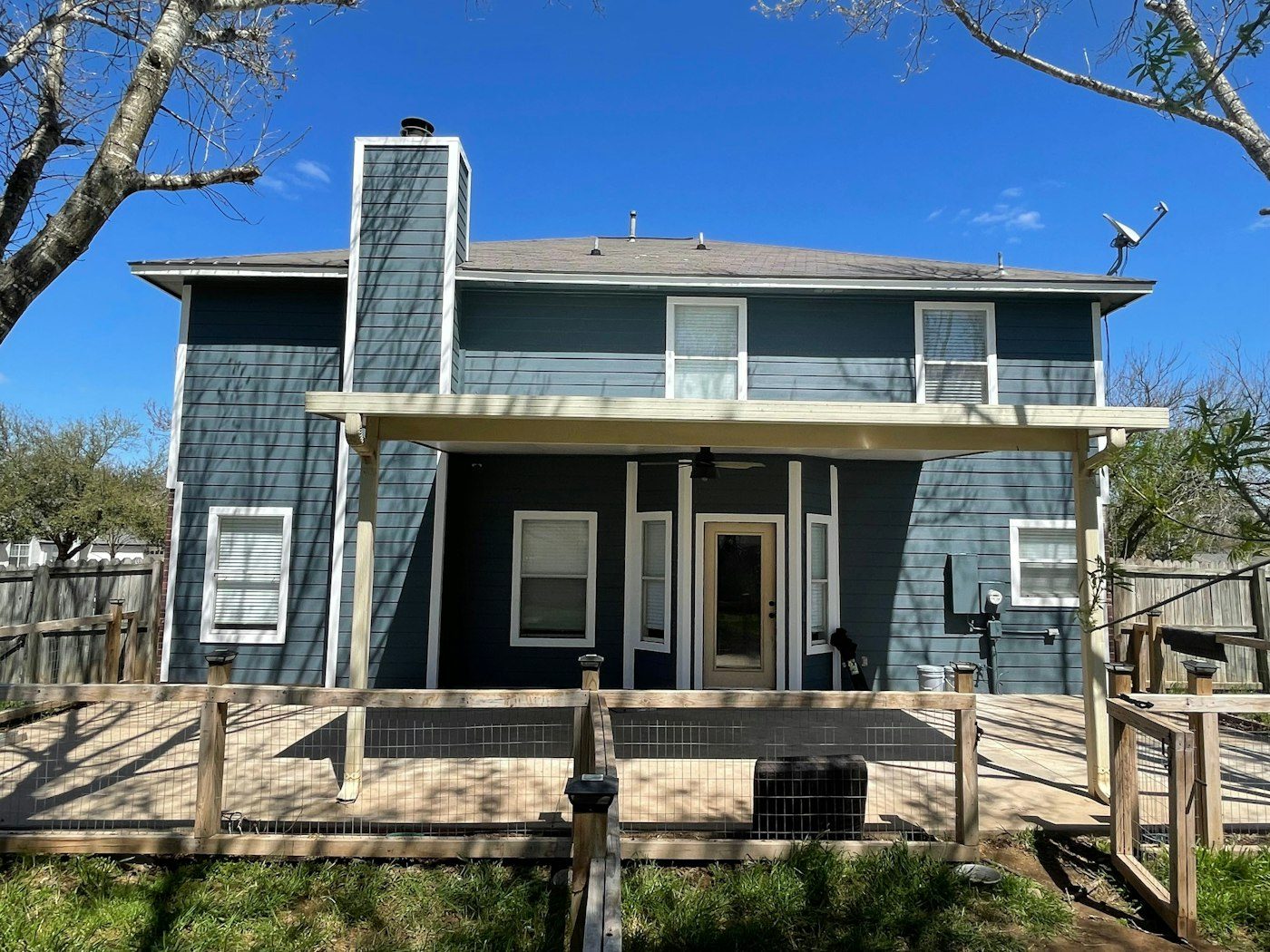
Estimators price by wall square, not living square. A 2,200 sq ft two-story house typically has between 1,800 and 2,300 sq ft of wall area. Shape matters more than floor plan: a ranch has more wall area per square foot of living space than a two-story colonial. When a quote says $12 per wall square, a 2,000 sq ft wall area job is $24,000 before tax.
A complete re-side with insulation should include these line items:
- Tear-off and disposal of the existing cladding.
- Dumpster or haul-off fees.
- Housewrap or weather-resistive barrier.
- Insulation: exterior rigid foam, cavity batts, or both.
- New siding and trim.
- Fasteners rated for the foam thickness and substrate.
- Scaffolding, pump jacks, or lift.
- Permit and inspections where required.
- Contractor overhead and profit.
Sheathing replacement is usually not a fixed line item. A good quote will show a per-sheet rate or an allowance: for example, “OSB replacement: $75 per 4×8 sheet as needed.” That protects you from a lump sum that assumes nothing is wrong, or a price that disappears into the wall.
Cost per square foot by scope
The table below assumes a mid-size single-family house with normal access, existing siding that is not full of rot, and a two-to-four-person crew. All numbers are per square foot of wall area, not living area.
| Scope | Cost per wall sq ft | What it includes | What it does not include |
|---|---|---|---|
| Tear-off and disposal only | $1.50–$3.50 | Remove old siding, haul away, load dumpster, basic cleanup | Sheathing repair, new housewrap, new siding |
| Vinyl siding over sound sheathing | $4.50–$7.50 | Housewrap, vinyl panels, J-channel, corner posts, basic trim, fasteners | Rigid foam; fanfold only, which is not real insulation |
| Fiber cement or engineered wood over 1″ rigid foam | $9.00–$14.00 | Tear-off, housewrap, R-5 polyiso or XPS, long fasteners, painted trim, disposal | Rainscreen gap, custom trim, rotted sheathing |
| Premium siding, R-5+ foam, rainscreen | $14.00–$22.00 | Cedar or thick engineered boards, rainscreen furring, stainless fasteners, custom trim, paint or stain, lift access | Full window replacement, structural framing repair |
| Add full sheathing replacement | $3.00–$6.00 extra | Remove and replace OSB or plywood, refasten to studs, new shear details | Quoted as time and materials once wall is open |
Next step
Get three written quotes before you commit
Siding prices swing 30-40% between contractors for the same scope. Request itemized quotes on the same wall area, trim package and disposal, then compare line by line.
Why the same house can quote $14,000 or $38,000
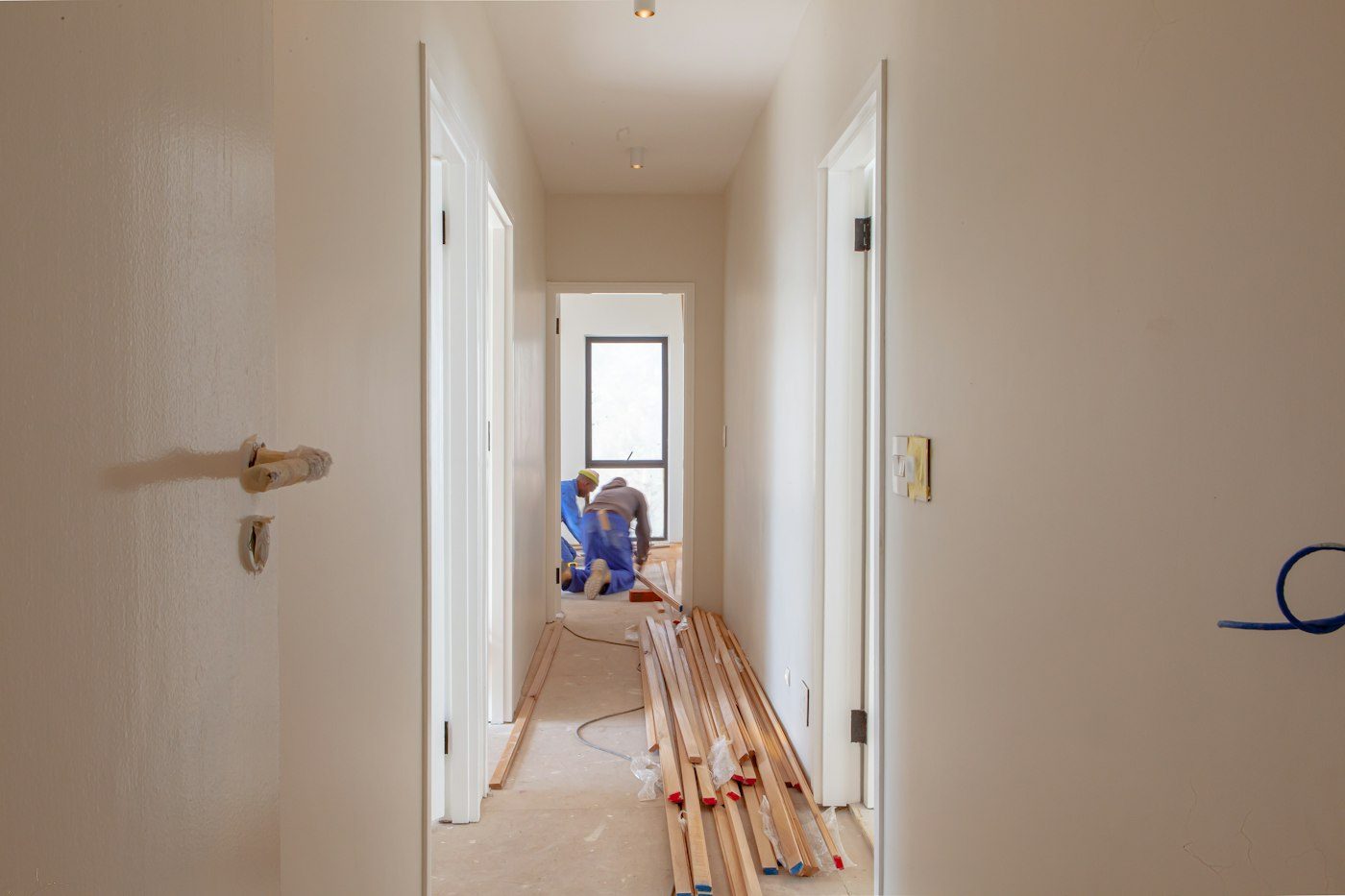
A quote is a prediction about labor, not just a materials list. The same 2,100 sq ft wall area can price $14,000 from one contractor and $38,000 from another without fraud. The first is betting the sheathing is sound and the access is easy. The second is carrying risk in the number, or including work the first one left out.
Old cedar or hardboard siding often hides water staining, spongy OSB, or missing felt. A crew will not know until the first 200 sq ft are off. If the estimator has seen peeling paint at window heads or swollen bottom courses, they will add a provisional allowance for sheathing repair, usually $1,200 to $4,000, billed by the hour after the wall is open.
Access is the second driver. A two-story wall with a deck on one side and a fence line three feet away is slower. Crews move ladders, cut around deck ledgers, and carry debris farther. That shows up as higher labor per square, not as a separate line item. A crew of three can tear off and re-wrap 1,200-1,500 sq ft in a day; the same crew moves half that speed if every board has to be cut around a deck ledger or if the old siding is oil-soaked and heavy.
Trim is the third. Replacing 400 linear feet of 1×4 cedar trim with primed PVC can change the price by $1,800-$3,600. Custom crown, water table boards, or prefinished aluminum brake metal add more. These are not incidental; they are part of the estimate.
Rigid foam vs batt vs spray foam during a re-side
The table below compares the three realistic ways to add insulation during a re-side, plus the one product that looks like insulation but is not.
| Method | Installed cost per wall sq ft | R-value added | Best time to use | What usually goes wrong |
|---|---|---|---|---|
| Exterior rigid foam (polyiso or XPS) | $1.50–$3.50 | R-6 to R-10 for 1–1.5″ | When sheathing is sound and you can afford furring | Wrong fastener length, poorly taped seams, no drainage plane |
| Batt insulation in open stud bays | $0.60–$1.50 | R-13 to R-21 depending on depth | Only if wall cavities are open from inside or sheathing is removed | Compressed batts, gaps around outlets, vapor barrier on wrong side |
| Spray foam in existing cavities | $2.00–$5.00 | R-6 to R-7 per inch | Rim joist or difficult cavities during re-side | Overspray, off-ratio foam, missing fire barrier |
| Fanfold (1/4″ or 3/8″) | $0.20–$0.50 | R-1 to R-1.5 | Leveling layer or drainage plane only | Buying it as an “insulation upgrade” and expecting comfort |
R-value and what it actually does
A wall does not perform at the labeled R-value of its insulation. In a 2×6 wall with R-19 batts between studs, the studs themselves conduct heat. Because studs occupy roughly 20-25% of the wall area, the whole assembly may act more like R-13 to R-15. Exterior rigid foam is unbroken by studs, so 1 inch of R-6 polyiso can add more real-world performance than the number alone suggests. That is why exterior foam is the most common re-side upgrade.
But exterior foam changes how a wall dries. In a heating-dominated climate, the inside of the sheathing can be warm and moist. If you add too much exterior foam without allowing the wall to dry inward, the dew point can move into the sheathing. This is why code prescribes minimum foam thickness by climate zone, and why a contractor should not simply add 2 inches of polyiso over an existing interior poly vapor barrier. In mixed humid climates, a rainscreen gap between the foam and the siding helps water drain and dry.
Keep fanfold in perspective. A 3/8-inch fanfold layer is often R-1 or less. It is a leveling layer and sometimes a drainage plane. If a quote lists “insulated siding” or “fanfold” as an energy upgrade, ask for the R-value of the whole wall assembly, not the product label.
Payback, but not the way most people calculate it
Payback only makes sense on the incremental cost of insulation, not the whole siding job. If the siding is failing and must be replaced anyway, the $28,000 project is not an energy investment. The $4,000 to $9,000 added for foam or batts is the investment.
An old 2×4 wall with empty cavities can lose enough heat that adding R-5 exterior foam and R-13 in the studs cuts heating bills in a cold climate by $200 to $500 per year, depending on fuel, house size, and air leakage. A $6,000 incremental cost would pay back in 12 to 30 years in energy savings alone. That is not a strong financial return. It is a strong comfort and moisture-control upgrade while the wall is open.
| Scenario | Incremental insulation cost | Estimated annual energy savings | Simple payback range | When it makes sense |
|---|---|---|---|---|
| Empty 2×4 wall, add R-13 batts during re-side | $1,500–$3,500 | $100–$300 | 5–15 years | Heating-dominated climate, empty cavities |
| Sound 2×4 or 2×6 wall, add 1″ R-5 rigid foam | $3,000–$7,000 | $150–$400 | 8–25 years | Breaking thermal bridging, sound sheathing |
| Rim joist spray foam while wall is open | $800–$2,000 | $50–$150 | 8–25 years | Air sealing matters more than R-value here |
| Full exterior insulation with rainscreen, premium siding | $7,000–$15,000 | $100–$300 | 25+ years | Do it for moisture control and comfort, not payback |
What to ask for in a quote
Ask every contractor to quote the same scope so you can compare line by line. The quote should state:
- Wall area in square feet, measured from the plans or on-site.
- Tear-off and disposal, including dumpster size.
- Sheathing repair as a per-sheet rate or allowance.
- Weather-resistive barrier type.
- Insulation type, thickness, and R-value.
- Fastener schedule for foam thickness.
- Siding material, profile, and finish.
- Trim package by material and linear feet.
- Scaffolding, lift, or pump jacks.
- Permit and inspection fees.
- Exclusions: windows, gutters, rotted framing, electrical, rot repair beyond the allowance.
If one quote is missing the sheathing allowance or the lift, it will look cheaper. It is not cheaper. It is incomplete.
Verdict
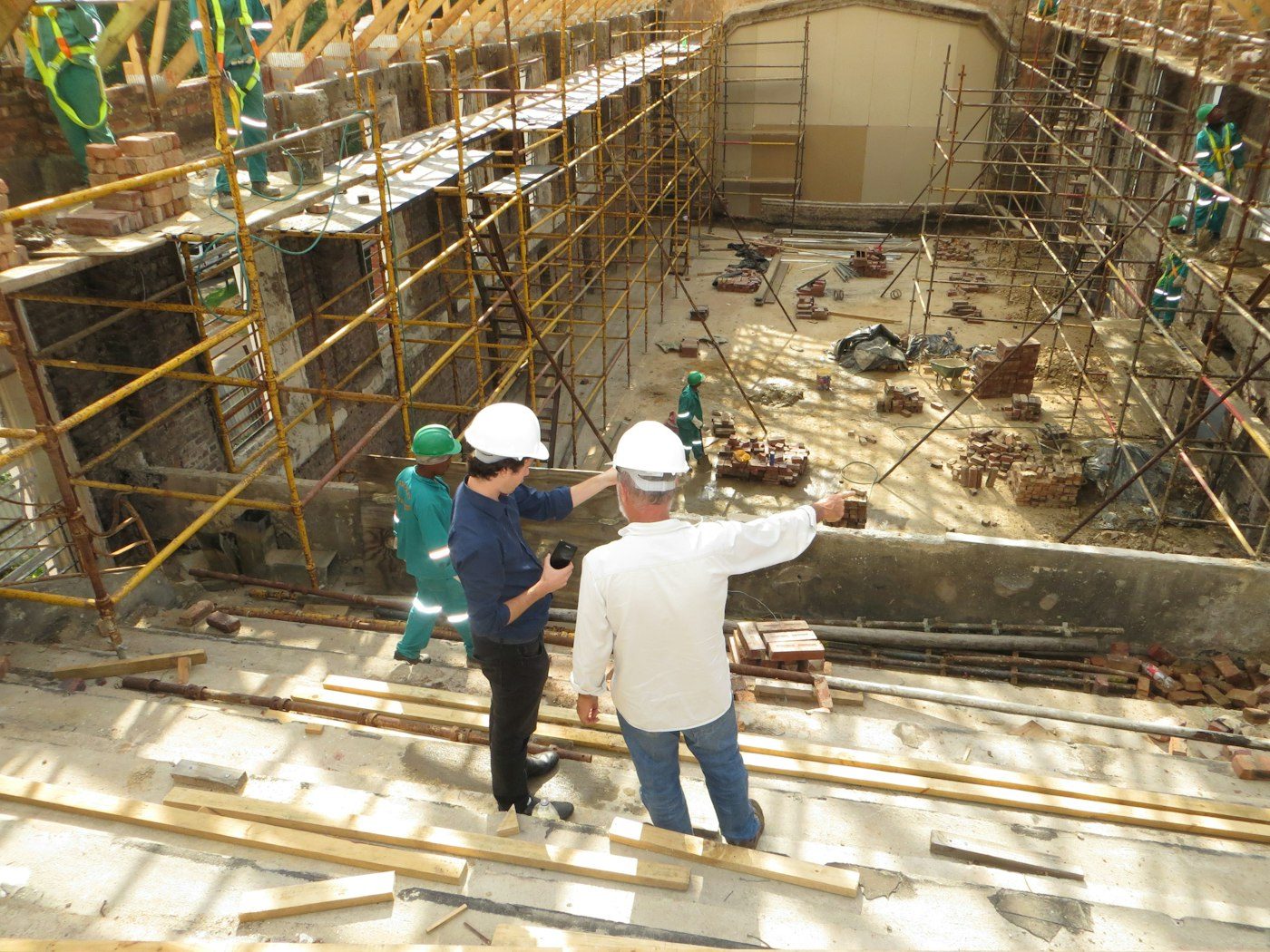
For most homes replacing siding, the smartest low-cost upgrade is 1 inch of rigid foam over sound sheathing, or filling empty stud cavities with batts if the wall is open. Fanfold is not insulation. If the wall already has R-13 or better and the job is vinyl, skip exotic upgrades and spend the money on air sealing and proper flashing. The time to add exterior insulation is when the wall is already open — that is the only time the labor is close to free.
Choose the mid-scope fiber cement or engineered wood over R-5 rigid foam when the house is in a heating or mixed climate, the sheathing is sound, and you plan to stay more than 10 years. Accept the higher number only if the quote is itemized and excludes hidden rot with a per-sheet allowance.
How we estimated these figures
These are planning ranges based on 2025-2026 US residential contractor pricing for mid-size single-family homes, assuming 1,800-2,300 sq ft of wall area. Labor rates assume $65-$110 per crew-hour fully burdened, two to four workers, and normal access. Material pricing is based on common mid-range products: .042-inch-thick vinyl, primed fiber cement, 1-inch polyiso, OSB sheathing, PVC trim, and standard fasteners. Local codes, permit fees, dump fees, and site access shift the final number. These are not quotes and do not reflect regional peaks or shortages.
What this guide does not cover
This guide does not cover interior insulation retrofits, spray foam applied from the interior, stucco remediation, brick replacement, structural engineering, window replacement, or historic district requirements. It also does not cover utility rebates, tax credits, or financing, which vary by state and utility. Commercial and multifamily jobs use different labor and overhead.
FAQ
Is adding rigid foam during a re-side worth it if my walls already have fiberglass batts?
It can still be worth it because exterior foam covers the studs, which batts do not. That reduces thermal bridging and can make the wall feel warmer near stud lines. But if the existing batts are dry and properly installed, the marginal energy savings may be modest. Prioritize air sealing and drainage details first.
Does 1 inch of rigid foam meet building code for exterior insulation?
In many climate zones, building codes specify a minimum R-value for exterior foam when insulating a 2×4 wall, often R-5 or more depending on climate zone and interior vapor retarder. One inch of polyiso is usually R-6 to R-6.5 and may meet the requirement, but check local code because the required ratio depends on sheathing thickness and climate.
Can I just add vinyl siding with built-in insulation?
Insulated vinyl has a thin foam backing, typically R-2 to R-3. It helps keep panels straight and can add a little thermal performance, but it is not a substitute for R-5 rigid foam or cavity insulation. Treat it as siding with a small bonus, not an insulation strategy.
How much does it cost to replace siding without insulation?
Replacing siding without adding insulation usually falls between $4.50 and $12 per wall square foot depending on material and access, or $9,000 to $28,000 for a mid-size house. The difference between that number and the numbers in this guide is the insulation, sheathing, and detail work.
Should I replace the sheathing at the same time?
Only if it is wet, delaminated, or riddled with holes. Sound OSB or plywood is fine to keep. Replacing all sheathing on an old house adds real cost and disruption, but it allows the crew to inspect stud bays, air-seal, and add cavity insulation. Ask for a per-sheet rate so you can approve only what is needed.
Next step
Get three written quotes before you commit
Siding prices swing 30-40% between contractors for the same scope. Request itemized quotes on the same wall area, trim package and disposal, then compare line by line.
Disclaimer: All cost figures are planning estimates for 2025-2026 US residential work. They are not quotes, engineering advice, or energy audits. Always verify local code requirements, contractor credentials, and written allowances before signing a contract.