In most U.S. markets, a standard HardiePlank fiber cement lap siding job with primed board, basic trim, house wrap repair, disposal, and two coats of acrylic paint runs $11 to $17 per square foot of installed wall area. On a typical house with 1,800 to 2,200 square feet of wall surface, that puts the total installed price between $20,000 and $38,000 in 2025-2026 planning numbers.
That number is for a straightforward one- or two-story home with standard 8-1/4-inch lap siding, 7-1/4-inch exposure, no tear-off, and walkable access. It does not include structural repairs, premium profiles, custom flashing, or lead paint abatement. When an estimator quotes by the square foot, the square foot is wall area — not floor area.
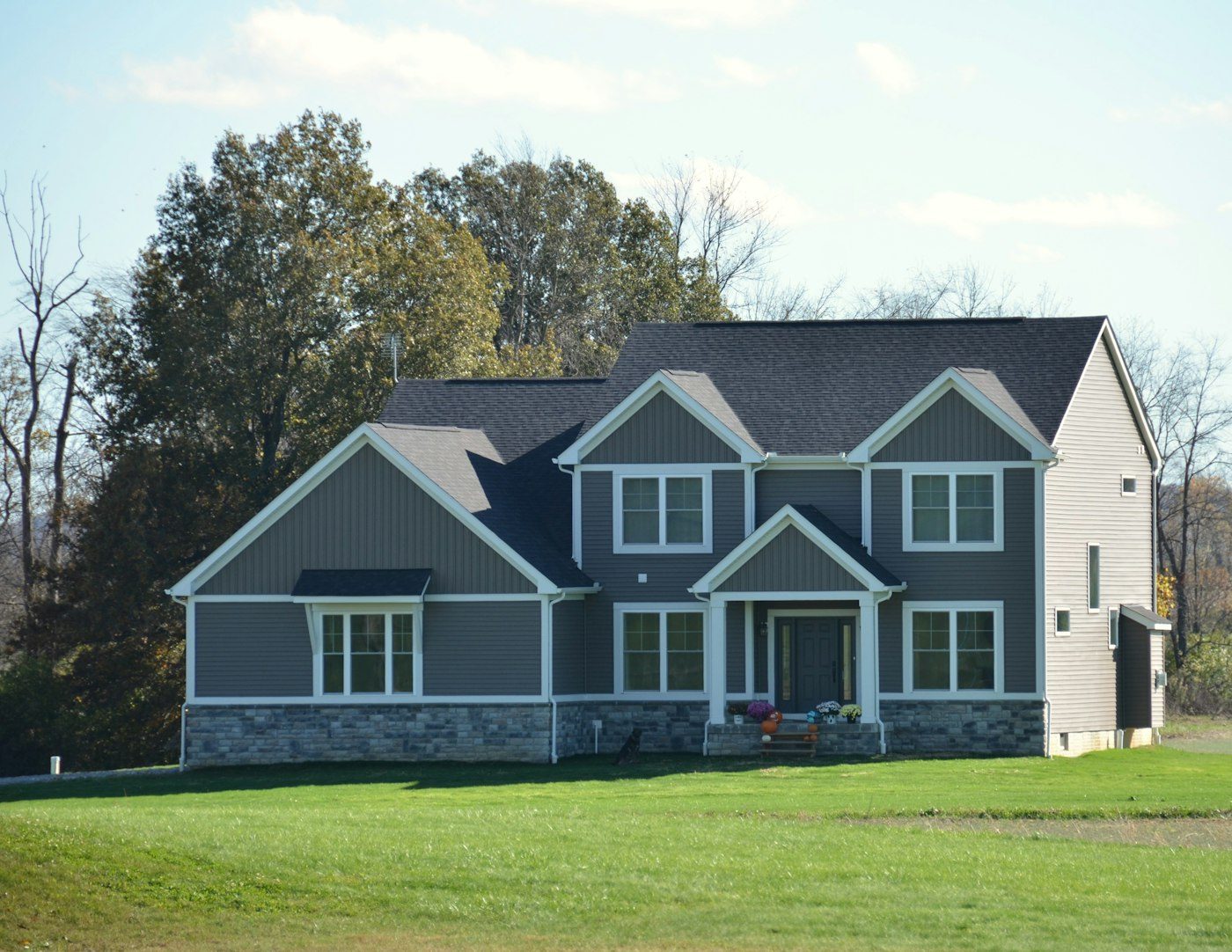
The number most contractors quote
Contractors price fiber cement by the installed square foot of wall surface because board coverage, cuts, and trim all scale off wall area. The $11-to-$17 range assumes new board over existing sheathing with minor flashing and weather-resistant barrier repair. A quote that uses floor area will mislead you; a 2,000-square-foot house can easily have 1,900 square feet of wall surface on a ranch, or 2,400 on a two-story with gables.
Some installers will show a lower material-only number, such as $3 to $5 per square foot for primed plank, but that is not an installed price. The installed number includes everyone on the crew, the nails, flashing, caulk, paint, dumpster, and some callbacks.
What the installed number includes
An itemized installed quote should break into at least five groups: board and fasteners, labor, trim and accessories, paint and sealant, and waste disposal. The trim and paint line items move more than homeowners expect. A simple gable wall with no windows may price at the low end; a wall with a front door, two garage doors, three windows, a water table, and custom corner boards prices at the high end.
The base number also assumes the home has a usable weather-resistant barrier or felt under the old siding. If the existing barrier is missing, torn, or incorrectly lapped, the siding contractor will add repair or replacement work before the first plank goes up.
Line-item cost breakdown
| Line item | Installed range per wall square foot | What drives it |
|---|---|---|
| Board, fasteners, delivery | $2.00–$4.00 | Profile, thickness, prefinish, gable cuts |
| Labor | $3.50–$6.50 | Height, corners, openings, access |
| Trim, corners, blocking | $1.50–$3.50 | Window count, HardieTrim vs PVC, miters |
| Paint and caulk | $1.50–$3.50 | Two coats, color change, site-paint vs prefinished |
| Weather barrier repair, flashing | $0.50–$1.50 | Existing house wrap condition, reflashing |
| Cut waste disposal | $0.25–$0.75 | Dumpster or bagster, local landfill |
| Base total | $9.25–$19.75 | Most competitive no-tear-off projects settle at $11–$17 |
Next step
Get three written quotes before you commit
Siding prices swing 30-40% between contractors for the same scope. Request itemized quotes on the same wall area, trim package and disposal, then compare line by line.
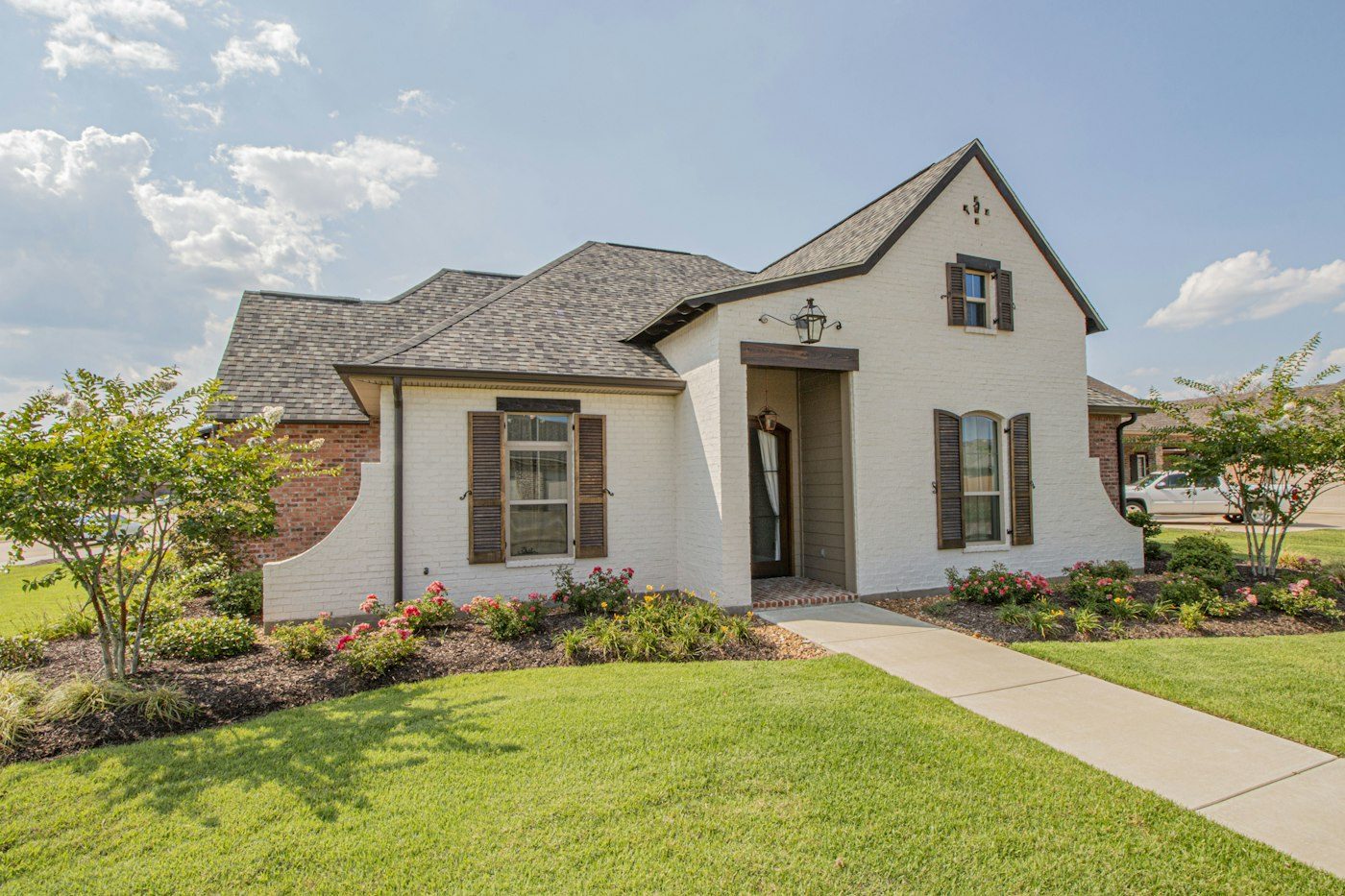
Board price versus installed price
HardiePlank is sold by the board, not by the wall square foot. A 12-foot plank with 8-1/4-inch width commonly covers about 7.25 square feet of wall at standard 7-1/4-inch exposure. Material cost per square foot of coverage therefore depends on the board price, the exposure, and how many pieces get lost to gable cuts, window notches, and damaged ends.
The gap between a lumberyard board price and an installed quote is not mostly markup. Fiber cement is heavy, brittle, and dusty. The crew carries the board, cuts it with cement-rated shears or a saw with dust collection, nails it to the fastening schedule, and keeps the bottom edge above grade and roof splash. That labor and disposal is the largest line item in the table above.
Labor, crew, and access
A three- or four-person crew can often install 300 to 500 square feet of lap siding per day on a simple one-story with few openings. Add a second story, gables, steep roof lines, or tight side yards, and the same crew slows down. A rear upper wall that requires a lift or scaffold can add real time for setup and moving materials.
Labor also changes with the house itself. Older walls are rarely straight. If the crew spends part of the day shimming corners, flattening bowed studs, or reframing a window opening, those hours show up in the labor line. Access is the most common reason two similar houses get different bids.
Trim, corners, and paint: where quotes widen
Trim is priced by the linear foot, not by the wall square foot. A house with 12 windows, two exterior doors, a garage door, corner boards, frieze board, and a water table has much more trim than a blank gable wall. HardieTrim or PVC trim can add $4 to $8 per linear foot installed depending on width, thickness, and miter work.
Paint is the other widening line. Primed HardiePlank still needs two field coats. If the estimator includes back-brushing, caulking every joint and flashing edge, and cutting in around fixtures, the paint line can easily exceed $3 per square foot. Prefinished ColorPlus board removes some painting from the job, but the board cost rises, so the total usually moves within $1 to $2 per square foot either way.
Tear-off, disposal, and existing siding
If the house already has cedar shingles, vinyl, aluminum, or stucco, the quote must include removal, dumpster or trailer time, and landfill fees. Tear-off and disposal often add $1.50 to $3.50 per square foot of wall area. On a 2,000-square-foot wall, that is another $3,000 to $7,000.
Removal also exposes problems. Missing house wrap, rotted sheathing, failed window flashing, or ant damage gets written as a change order. Full sheathing replacement can add $1 to $3 per square foot in broken areas. A good estimator will flag these risks before the contract is signed, not after the wall is open.
Two project price shapes
| Project shape | Wall area | Existing siding | Board, trim, paint | Access | Estimated installed range |
|---|---|---|---|---|---|
| Simple one-story ranch | 1,800 sq ft | No tear-off | Primed 8-1/4-inch lap, basic HardieTrim, two site-painted coats | Walkable, few openings | $20,000–$27,000 |
| Two-story colonial with tear-off | 2,200 sq ft | Remove old cedar shingles | Prefinished ColorPlus lap, 5/4 HardieTrim, custom corners | Lift or scaffold on rear upper wall | $34,000–$46,000 |
The two jobs do not have the same scope, so a square-foot comparison between them would be meaningless. One bid is board over a ready wall; the other includes demolition, disposal, prefinished material, heavier trim, and access equipment.
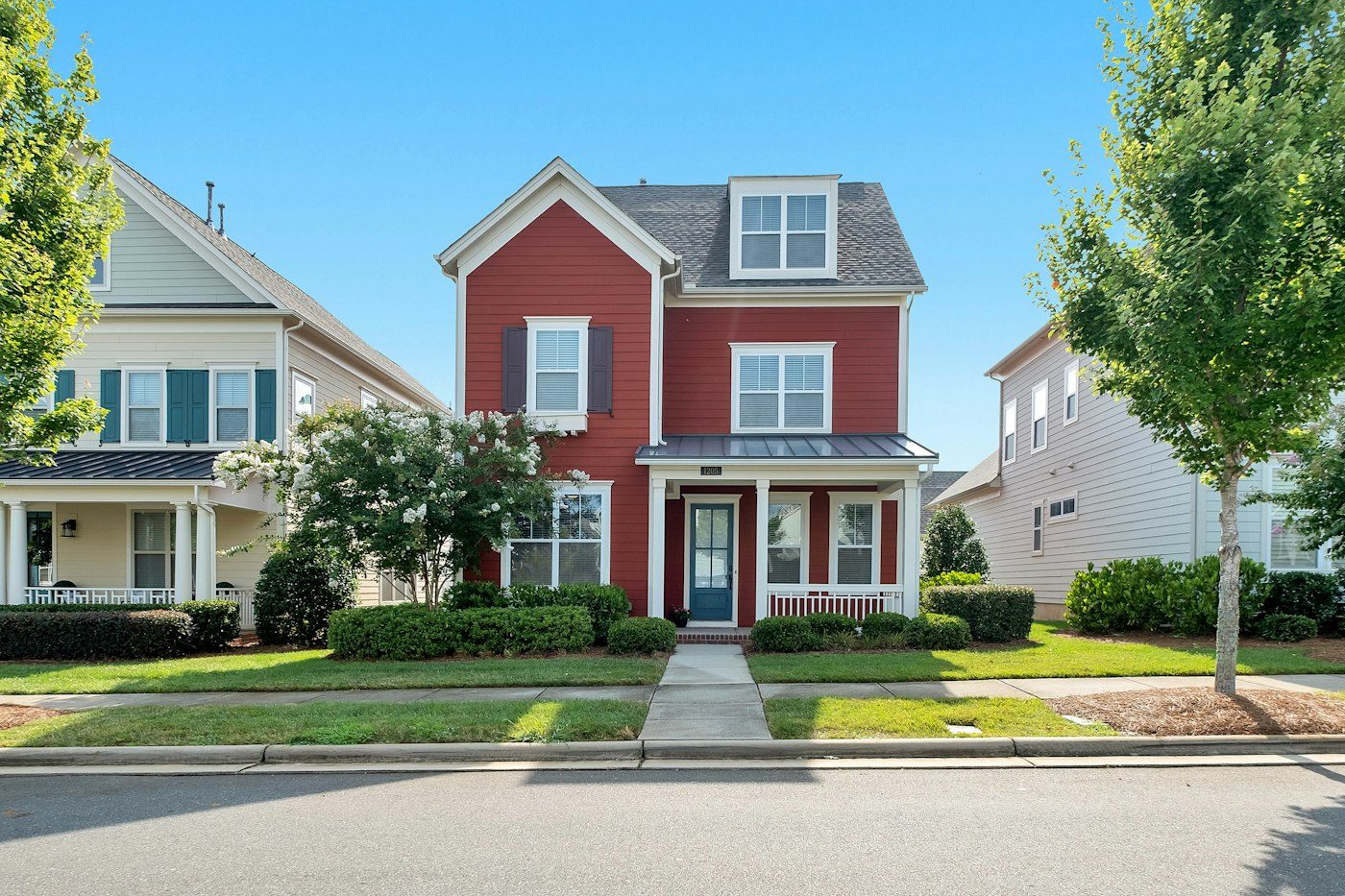
Verdict: what an honest quote includes
An honest HardiePlank quote should show the wall area takeoff, the board profile and thickness, the exposure, the trim linear footage, the number of paint coats, the tear-off waste, the dumpster, and the flashing scope. If the quote is one number and a handshake, you cannot compare it to another company.
The cheapest bid often excludes disposal, uses PVC trim where you expected HardieTrim, or leaves the old house wrap in place. The most expensive bid may include a full rain screen, new window flashing, and a level of prep the cheap bid never touched. Compare line items, not totals.
How we estimated these figures
These ranges come from everyday U.S. residential siding takeoffs in 2025-2026, using typical supply-house board pricing, regional contractor labor rates, and standard crew production assumptions. They are not a national survey or a statistical average. We assume standard 5/16-inch HardiePlank lap siding, standard exposure, basic trim, two paint coats, and a house with normal access.
Every market moves the number. A tight labor market, high landfill fees, strict local flashing codes, or a house with difficult access can push the final price outside these ranges. Use them as a planning check against written quotes, not as a bid.
What this guide does not cover
This guide does not cover structural repairs, termite or rot remediation, lead paint abatement, stucco over foam removal, historic district requirements, or whole-house framing corrections. It also does not cover apartment buildings, commercial storefronts, or union-prevalent high-rise work. Insurance claims and storm restoration follow different pricing than planned remodeling.
If your quote includes items such as new sheathing, structural headers, window replacement, or custom architectural profiles, those need separate line items from the siding. A siding estimator can include them, but you should understand what is siding scope and what is building repair.
Next step
Get three written quotes before you commit
Siding prices swing 30-40% between contractors for the same scope. Request itemized quotes on the same wall area, trim package and disposal, then compare line by line.
FAQ
What does HardiePlank siding cost per square foot installed?
Plan on $11 to $17 per square foot of wall area for standard primed HardiePlank lap siding with trim, paint, and labor. Prefinished ColorPlus, tear-off, scaffolding, or custom trim can push past $20 per square foot. Floor area and wall area differ, so an estimator should measure wall surface, not use the home’s square footage.
Is prefinished HardiePlank worth the added cost?
ColorPlus prefinished board usually adds $1 to $2 per square foot of wall area compared with primed plus site paint, but it removes a full painting sequence, reduces weather delays, and carries a finish warranty. On a simple house with standard colors, it can be a wash. For custom colors, site paint often wins.
Does HardiePlank cost more than vinyl siding?
Yes. Standard vinyl siding installed often runs $5 to $10 per square foot of wall area, while HardiePlank runs $11 to $17 for a similar scope. Fiber cement has higher material and labor cost, but many owners choose it for fire resistance, appearance, and paint adhesion. The gap narrows on trim-heavy homes.
Can I install HardiePlank myself to save money?
You can, but it is not a beginner siding. Boards are heavy, require cement-rated blades or shears, and must be installed with proper clearance, flashing, and nail pattern. Mistakes trap moisture. Without a contractor warranty, callbacks and repainting can erase savings. A competent DIY install may save labor, but not all of the $4 to $7 per square foot.
How long should HardiePlank siding last?
HardiePlank is often expected to last 30 to 50 years when installed over a weather-resistive barrier and kept painted. Trim and caulk fail sooner; painted surfaces need repainting every 10 to 20 years depending on exposure. Failure usually comes from poor clearance to grade, roof splash-back, or bad flashing, not the board itself.
Cost estimates in this guide are planning ranges based on 2025-2026 U.S. residential siding work, not a bid. Local labor, market conditions, house condition, and scope can move pricing outside these ranges. Always verify contractor line items and warranty terms.